
Physical security
Physical security systems connected to your IT plan
Start with your premises, existing equipment and responsibilities before discussing a change or integration with the rest of your IT environment.
- Monday–Friday, 09:00–18:00 CET
What you get
Review of existing systems and premises
Connectivity and authorised access
Information, privacy and retention responsibilities
Location and supplier requirements confirmed first
Physical security systems and your IT environment
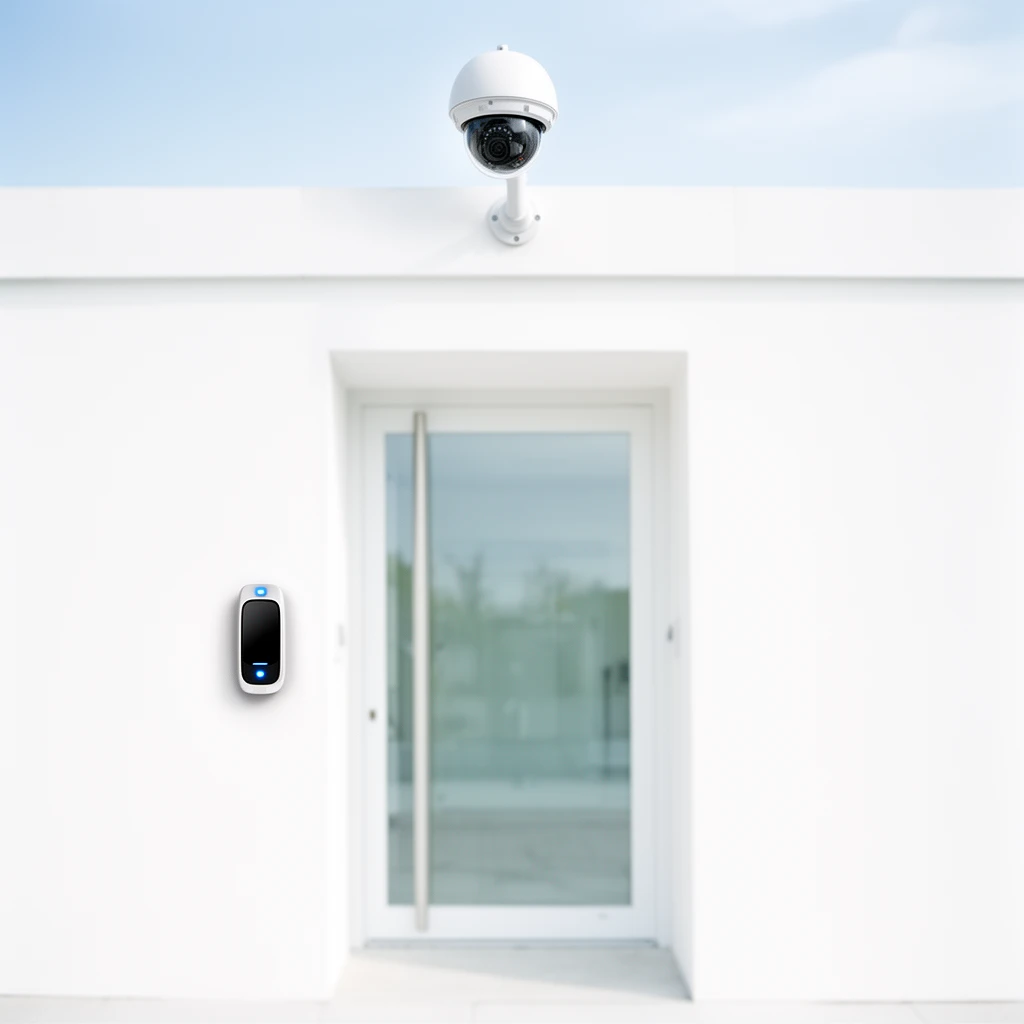
Physical security systems protect people, premises and equipment: door access control, cameras, alarms, visitor entry and the rooms where servers and network equipment are kept. Today most of these systems are connected devices. They sit on your network, use accounts and passwords, record information about people and depend on suppliers, which means they belong in your IT plan as well as your facilities plan. BlueNova IT helps small and midsize companies operating across Europe to understand how their physical security systems connect with their IT and to plan changes with the right checks.
We start with what already exists on your premises and with who is responsible for it, rather than with equipment to buy.
Because every country has its own rules on surveillance, access logs and signage, we treat requirements as local questions. What is acceptable in one office may need adjustment in another, and we would rather ask early than assume.
What's included
The scope is agreed for each organisation before work begins. A physical security engagement typically covers the following areas.
Review of existing systems and premises
We list the systems in place at each site, such as door readers, cameras, recorders and alarm panels, and note who installed them, who maintains them and which contracts apply. We also look at the premises themselves, including entrances, shared areas and the rooms holding IT equipment, so the review reflects how the building is really used.
Connectivity and authorised access
Connected security devices need a network path, power and administrative accounts. We review how each system is connected, who can log in to it, how those accounts are managed when staff or suppliers change and whether device management is separated sensibly from the rest of the network. The connectivity side is closely related to our networks and infrastructure service.
Information, privacy and retention
Cameras and access logs record information about people. Who can view it, where it is stored and for how long it is kept are decisions with legal and privacy implications that differ between countries. We help you document the current arrangements and prepare the questions to review with the responsible people or your legal and data-protection advisers. We do not provide legal advice.
Integration with the wider IT plan
Door and camera systems often connect with staff directories, visitor processes or monitoring tools. We map those links, note what depends on what and agree how changes will be planned so that one project does not disrupt another.
Rooms and cabinets that hold IT equipment
Server rooms, communications cabinets and storage areas deserve the same attention as the front door. We look at who can physically reach network and server equipment, how keys, cards or codes are managed and whether visitors or contractors can be left alone near critical equipment. We also check that equipment locations are recorded, so that a fault can be traced to a physical place.
Who it's for
This service suits organisations that have, or are considering, physical security equipment and want it handled as part of their IT rather than as a separate, forgotten system. Typical situations include:
- an office or workshop with an existing access system and no clear record of who manages it;
- a company moving premises or opening a new site that needs entry and camera systems planned alongside the network;
- a business whose cameras or door readers were installed by a previous supplier and are now poorly documented;
- a team that wants to understand its privacy and retention responsibilities for recorded information before changing anything;
- a company concerned that connected devices could be an easy way into its network. For that side of the question, our cybersecurity service is the natural companion.
How we work
- First conversation. You describe your premises, the equipment already installed, the suppliers involved and the problem you want to address.
- Review. We examine the systems, their connectivity, the accounts that administer them and the information they record, and write down what we find.
- Options and checks. We outline possible changes with their dependencies, and list the points to confirm, including technical compatibility, supplier arrangements and location-specific requirements.
- Agreement on what can be delivered. Availability of particular equipment, installation or on-site services is subject to confirmation for each location. A first conversation sets out your requirements and the next checks; it does not promise local installation coverage or a particular security outcome.
- Verification and handover. Where work is agreed, we check the result against the plan and leave you with updated documentation.
We work in English and Spanish, Monday to Friday, 09:00-18:00 CET, so teams and local suppliers in different countries can coordinate through one point of contact. Commitments for any engagement are agreed in writing for that scope.
If you would like to review how your physical security connects with your IT, contact us with a short description of your premises and the systems you already have.
Let’s talk about your IT.
Tell us what your team needs today and what you would like to improve.