
On-site network support and cabling in Spain, Portugal and Italy
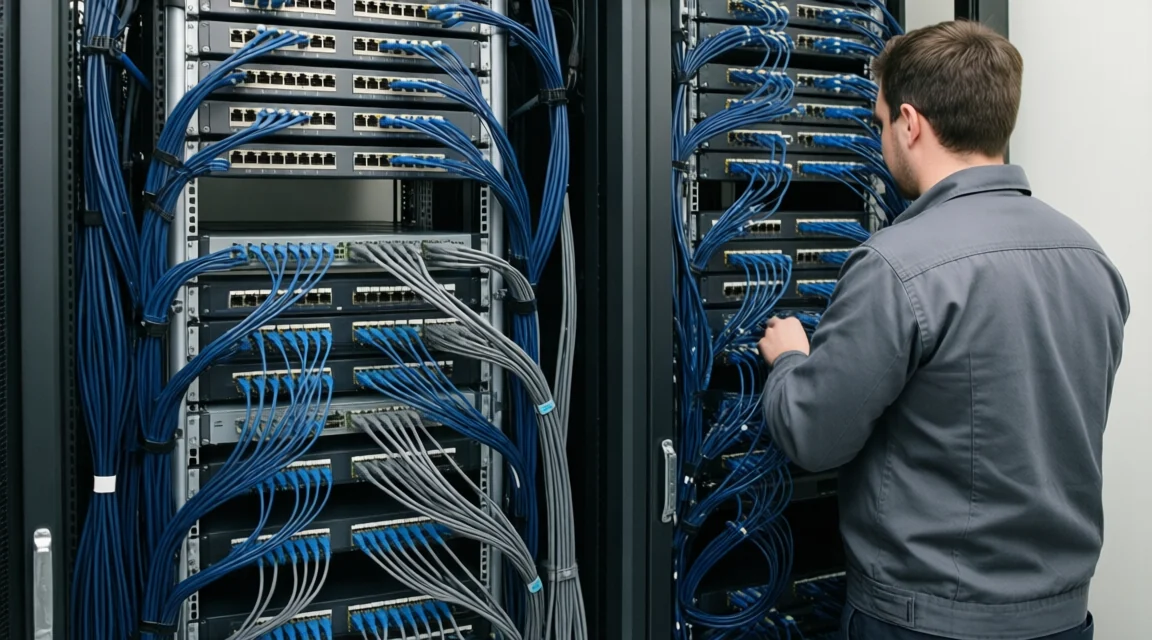
BlueNova carried out on-site network work in Spain, Portugal and Italy for an organisation that needed local technicians for hands-on tasks. The work included remote hands, structured cabling work and remediation, work on active network equipment, and cabling certification. The case shows how each part fits into an assignment involving both the equipment in the cabinet and the links that run out to the network outlets.
Contents
- The challenge of doing physical work across sites
- What BlueNova carried out
- What the work delivered
- What to include in an on-site network request
The challenge of doing physical work across sites
A remote engineer can see a switch port or investigate a reported fault, but some tasks need someone at the rack or outlet. When the work spans several countries, the brief has to tell each technician which equipment or link to work on and what to check before and after touching it. Even similar assignments can differ from site to site because the cabling, cabinets and network equipment already in place can vary.
The brief for this engagement included both passive infrastructure and active equipment. That matters when planning an intervention. Changing how a link is patched can change which device or service uses it. Testing the installed cable answers a separate question about the physical link itself. Keeping those responsibilities clear helps a remote coordinator ask for the right work and confirm what has been completed.
What BlueNova carried out
Remote hands for the physical work
BlueNova performed remote-hands interventions in the three countries. In practice, a remote-hands visit gives the coordinating team a technician at the equipment when a task cannot be performed from a desk. A useful work order identifies the equipment, the operation that the technician can carry out and who to contact if the hardware or port they find differs from the brief.
Structured cabling and remediation
The work included network cabling and remediation of existing structured cabling. A remediation brief starts with what can be established about the current installation. If several patch leads are in the way, for example, tracing connections before moving them lets the technician distinguish links that must stay connected from changes that have been agreed. A request should specify which cabinets, panels or outlets are in scope and whether the work includes new runs, rearrangement or both.
Work on active network equipment
BlueNova also carried out work on network electronics. Active equipment, such as switches, is a separate part of the scope from the cable and patch panel. An intervention plan can make that boundary practical by identifying who handles the physical connections, who is responsible for any configuration changes and who confirms that the intended service is available afterwards.
Certification of the physical links
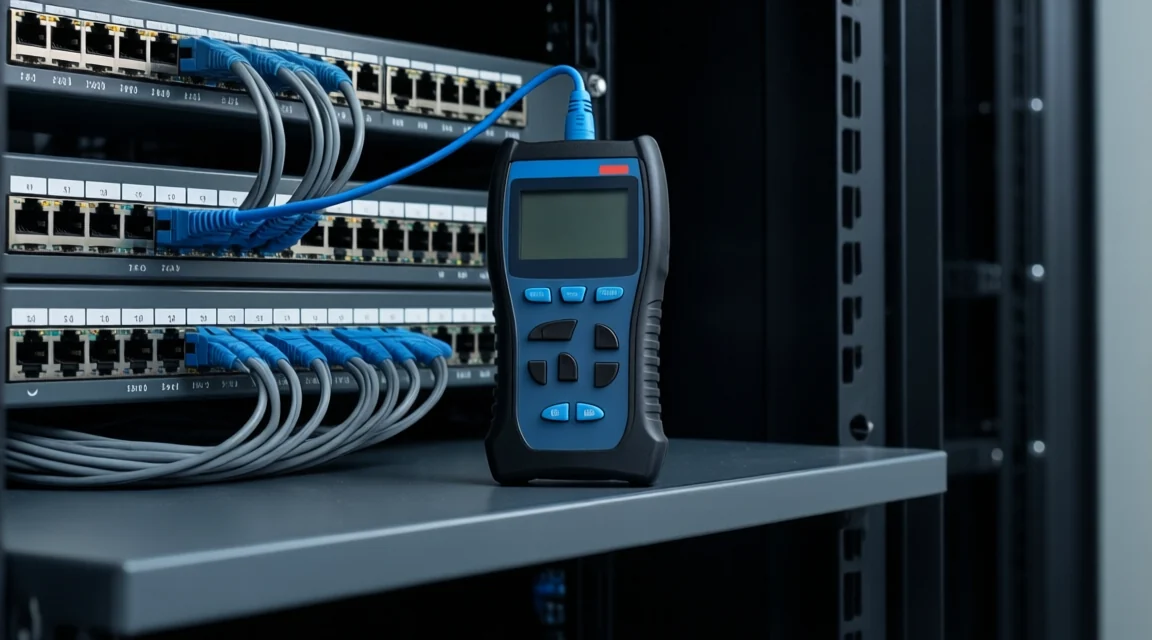
The interventions included network cabling certification. A certification test measures the selected physical link against the applicable test limit. A link light or a successful connection at the time of the visit answers a narrower question. Before a project starts, identify which links are to be tested and how each result should be associated with the link or outlet. This makes it possible to review the results when the installation is handed over.
What the work delivered
The organisation received on-site assistance for network interventions across Spain, Portugal and Italy. The engagement covered structured cabling work and remediation, work on network electronics and cabling certification. For a similar project, a handover checklist can group the work by location. Record what changed on the passive side, which active equipment was involved and whether link testing was in scope. A shared record gives the coordinating team a place to review the contracted work across sites.
What to include in an on-site network request
Share the countries and sites involved, the equipment or outlets affected and the work requested at each location. Flag links that must stay in service, identify the remote technical contact and say which links need certification. If different teams own the switch configuration, site access or final sign-off, name the person responsible for each. With those details, the visit can be planned around what needs to happen at the site and what evidence is needed afterwards.
Explore network infrastructure services · Book an IT assessment
Let’s talk about your IT.
Tell us what your team needs today and what you would like to improve.